
Access to the right mobility equipment can make everyday life easier for people recovering from surgery, managing temporary injuries, or living with limited mobility. Wheelchairs are among the most useful medical devices because they help individuals move around safely while maintaining comfort and independence. However, purchasing a wheelchair is not always practical, especially when it is needed for a short period.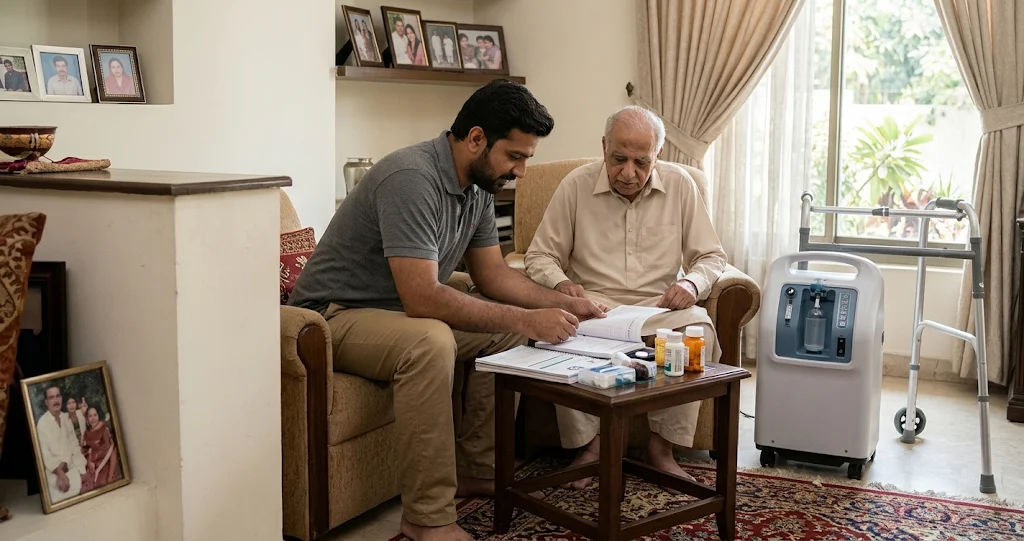
Many families therefore consider renting medical equipment instead of buying it. Medical Equipment rental Lahore is a practical option for people who need temporary access to mobility aids, hospital beds, oxygen equipment, and other essential healthcare products. But does this rental service actually offer wheelchairs? In many cases, medical equipment rental providers do offer different wheelchair options, although availability depends on the supplier, equipment type, and rental requirements.
Understanding the available wheelchair options, rental process, costs, and safety considerations can help families make informed decisions. This comprehensive guide explains what to expect when looking for wheelchair rentals in Lahore and how to select equipment that meets an individual's mobility needs.
Wheelchair Rental Services in Lahore
Wheelchair rental services allow individuals to use mobility equipment without purchasing it permanently. Customers usually pay a rental fee for an agreed period, which may range from a few days to several months.
These services are particularly useful when someone experiences a temporary medical condition. For example, a patient recovering from knee surgery might require a wheelchair during the early stages of rehabilitation. Once walking becomes easier, the wheelchair can be returned.
Rental arrangements also benefit families who need additional mobility support for elderly relatives or patients receiving treatment at home.
Why Are Wheelchairs Available for Rent?
Wheelchairs are frequently included in medical equipment rental inventories because mobility support is an important part of patient care.
Hospitals, rehabilitation centres, home healthcare providers, and families may need wheelchairs for different purposes. Renting allows them to obtain suitable equipment without making a significant initial investment.
Some common reasons for renting include:
-
Recovery after surgery or an accident.
-
Temporary mobility difficulties.
-
Assistance for elderly individuals.
-
Rehabilitation following certain medical conditions.
-
Transportation during hospital visits.
-
Supporting patients receiving home healthcare.
-
Providing mobility assistance during family travel.
The exact equipment available depends on the rental provider. Therefore, customers should confirm wheelchair availability before making arrangements.
Is Renting Better Than Buying?
The decision depends on how long the wheelchair will be required.
Buying may be more suitable for someone who needs mobility assistance regularly for an extended period. However, renting can be more economical when the equipment is required temporarily.
For instance, a patient recovering from a fracture may only need a wheelchair for several weeks. Purchasing an expensive model for such a short period may not be financially sensible.
Rental services also remove some responsibilities associated with permanent ownership, such as long-term storage and finding another user when the equipment is no longer needed.
Types of Wheelchairs You Can Look For
Not every wheelchair is designed for the same purpose. Different models provide different levels of support, comfort, portability, and independence.
When contacting a rental provider, it is important to understand the available options.
Manual Wheelchairs
Manual wheelchairs are among the most common mobility devices.
They generally feature a seat, backrest, footrests, armrests, and large rear wheels. The user or a caregiver moves the wheelchair manually.
These wheelchairs are suitable for individuals who have sufficient upper-body strength to operate the wheels or have someone available to assist them.
Their main advantages include:
-
Simple operation.
-
Relatively lightweight construction.
-
Folding designs for convenient storage.
-
No battery or electrical charging requirements.
-
Suitability for indoor and outdoor use, depending on the model.
Manual wheelchairs can be a practical choice for short-term recovery and everyday mobility assistance.
Electric Wheelchairs
Electric wheelchairs use rechargeable batteries and powered motors to move.
They are generally operated through a joystick or another control system. This makes them useful for individuals who cannot comfortably propel a manual wheelchair.
Electric models may provide greater independence for people with limited arm strength. However, they are usually heavier, more expensive, and require charging.
Before renting one, customers should ask about battery condition, charging equipment, operating instructions, and available technical support.
A healthcare professional should help determine whether an electric wheelchair is appropriate for the intended user.
Transport wheelchairs are designed primarily for caregiver-assisted movement.
Unlike standard manual wheelchairs, they generally have smaller rear wheels. The caregiver pushes the wheelchair using handles attached to the back.
These models are useful for hospital appointments, shopping visits, and short journeys.
Their compact construction can make them easier to transport in vehicles. However, users generally cannot propel themselves independently.
Reclining Wheelchairs
Reclining wheelchairs feature adjustable backrests that allow users to change their seating position.
They may be helpful for patients who need additional positioning support or cannot remain comfortably upright for extended periods.
Some models also include adjustable leg supports and additional cushioning.
However, reclining wheelchairs are not necessary for every patient. Their suitability should be determined according to individual medical and positioning requirements.
Who Can Benefit From Renting a Wheelchair?
Wheelchair rentals can support different groups of people. Understanding these situations makes it easier to decide whether temporary equipment is appropriate.
Patients Recovering From Surgery
Many surgical procedures temporarily affect a person's ability to walk.
Patients recovering from hip replacement, knee replacement, fractures, or other operations may experience discomfort and restricted movement.
A wheelchair can provide additional mobility support during recovery, particularly when walking longer distances is difficult.
However, it should be used according to the rehabilitation plan provided by the treating healthcare professional.
Elderly Individuals
Older adults sometimes experience reduced balance, muscle strength, or mobility.
A wheelchair may help them attend medical appointments, move around the home, or participate in family activities.
For elderly individuals, comfort and safety should be major priorities.
A suitable wheelchair should provide proper seating support, accessible brakes, comfortable armrests, and appropriate footrests.
Individuals With Temporary Injuries
People recovering from accidents, leg injuries, or certain fractures may temporarily struggle with walking.
A wheelchair can reduce the need to put weight on an injured area when recommended by a healthcare professional.
It may also help caregivers move patients more conveniently.
Patients Receiving Home Healthcare
Some individuals receive medical treatment at home instead of remaining in a hospital.
Wheelchairs can make it easier for caregivers to move patients between rooms or take them outside for medical appointments.
Families may also combine wheelchair rentals with other medical equipment, depending on the patient's care requirements.
How to Choose the Right Wheelchair
Selecting a suitable wheelchair involves more than checking its appearance or rental price.
The equipment should match the user's physical needs, environment, and expected duration of use.
Consider the Patient's Weight
Every wheelchair has a specified weight capacity.
Before renting, confirm that the selected model can safely support the intended user.
Using equipment beyond its recommended capacity can damage the frame, affect stability, and create safety risks.
Some providers may offer standard and heavy-duty models for different requirements.
Check Seat Width and Depth
Seat measurements are important for maintaining proper posture and comfort.
A wheelchair that is too narrow may create pressure and discomfort. A seat that is too wide may make it difficult to maintain a stable sitting position.
The seat depth should also provide suitable thigh support without pressing excessively behind the knees.
Ask the provider whether different sizes are available.
Evaluate Comfort and Cushioning
Patients who spend several hours in a wheelchair may require additional cushioning.
A comfortable seat can reduce pressure and improve the overall experience.
People at risk of pressure injuries may need a professionally selected pressure-relieving cushion.
Ordinary cushions should not automatically be considered suitable for preventing pressure injuries.
Examine the Brakes and Footrests
Wheelchair brakes are essential for preventing unwanted movement.
Check that both brakes work properly and remain secure when engaged.
Footrests should also be adjustable or appropriately positioned to support the user's legs.
Loose, damaged, or unstable components should be reported before accepting the equipment.
Think About Indoor and Outdoor Use
The intended environment affects which wheelchair is appropriate.
For indoor use, a compact wheelchair may be easier to manoeuvre through doorways and narrow corridors.
For outdoor use, customers should consider wheel size, tyre condition, frame stability, and the surfaces where the wheelchair will travel.
If the home has stairs, narrow entrances, or uneven pathways, these limitations should be discussed with the provider.
How Medical Equipment Rental Lahore Makes Wheelchair Access Easier
Finding appropriate medical equipment can be challenging when a patient suddenly needs mobility assistance.
Rental services simplify the process by allowing families to access equipment without purchasing it permanently.
Medical Equipment rental Lahore can help customers explore temporary mobility solutions according to their circumstances, provided the selected supplier has the required wheelchair available.
Convenient Access to Mobility Equipment
One important advantage of rental services is convenience.
Instead of visiting multiple shops to compare different models, customers can contact rental providers and ask about their available inventory.
Some providers may also arrange delivery to the customer's home.
This can be particularly helpful when the patient cannot travel easily.
Flexible Rental Periods
Not every patient requires a wheelchair for the same amount of time.
Some people need one for a few days, while others may require it for several months.
Rental providers may offer daily, weekly, or monthly arrangements.
Customers should confirm the available rental periods and ask whether extensions are possible.
Reduced Initial Expenses
Purchasing medical equipment can involve considerable expenses.
Renting allows families to pay for temporary use rather than committing to the full purchase price.
This can be useful when several healthcare expenses occur together.
However, customers should compare the total rental cost over the expected period with the purchase price. Long-term rentals are not always cheaper.
Access to Different Equipment Options
Depending on the supplier, customers may be able to choose from several wheelchair models.
Having multiple options makes it easier to select equipment according to comfort, mobility, and transportation requirements.
It is still important to verify that the advertised model is actually available.
What Is the Wheelchair Rental Process?
The rental process is generally straightforward, but customers should understand each stage before confirming an arrangement.
Step 1: Identify the Patient's Requirements
Begin by understanding why the wheelchair is needed.
Consider whether the patient requires independent movement, caregiver assistance, additional positioning support, or a lightweight model for transportation.
If the patient has a specific medical condition, ask the treating healthcare professional for recommendations.
Step 2: Contact a Rental Provider
Contact a medical equipment supplier in Lahore and ask whether wheelchairs are available.
Explain the patient's basic requirements and expected rental duration.
You should also ask about available models, delivery arrangements, and rental charges.
Step 3: Confirm the Equipment Condition
Before accepting a wheelchair, inspect its overall condition.
Check the frame, wheels, brakes, seat, footrests, and armrests.
If the wheelchair has removable or adjustable components, make sure they are secure and functioning properly.
Ask whether the equipment has been cleaned and inspected between rentals.
Step 4: Review the Rental Agreement
Understand the rental conditions before making payment.
Important details include:
-
Daily, weekly, or monthly charges.
-
Security deposits, if applicable.
-
Delivery and collection fees.
-
Maintenance responsibilities.
-
Replacement arrangements.
-
Damage policies.
-
Rental extension conditions.
-
Return procedures.
Having these details confirmed in writing can prevent misunderstandings.
Step 5: Arrange Delivery and Setup
If delivery is available, confirm the expected arrival time and location.
Ask the provider to demonstrate basic wheelchair operation, including folding, braking, and adjusting footrests.
The caregiver should understand how to operate the wheelchair safely before using it with the patient.
Understanding Wheelchair Rental Costs in Lahore
Rental prices can vary considerably depending on the wheelchair model, supplier, rental duration, and equipment condition.
A basic manual wheelchair will generally have different rental charges from an advanced electric or reclining wheelchair.
Factors That Influence Rental Prices
Several factors may affect the total cost.
Wheelchair type: Electric and specialised models may cost more than basic manual wheelchairs.
Rental duration: Some providers offer discounted rates for longer rental periods.
Equipment condition: The model, age, features, and maintenance condition may influence pricing.
Delivery services: Transportation and collection may involve additional charges.
Accessories: Special cushions, adjustable supports, and other accessories may increase the total cost.
How to Avoid Unexpected Expenses
Always request a complete price breakdown before confirming the rental.
Ask whether the quoted amount includes delivery, collection, maintenance, and any security deposit.
Also confirm what happens if the wheelchair develops a mechanical problem during the rental period.
Comparing several providers can help families identify an arrangement that offers reasonable value without compromising safety.
Safety and Maintenance Tips for Rented Wheelchairs
A rented wheelchair should be treated with the same care as personally owned medical equipment.
Regular inspection and proper operation help reduce avoidable accidents.
Inspect the Wheels Regularly
Check the wheels before use.
Look for damaged tyres, loose components, unusual movement, or objects trapped around the wheel mechanisms.
If anything appears unsafe, stop using the wheelchair and contact the rental provider.
Use Brakes When Necessary
Wheelchair brakes should be engaged whenever the patient is getting into or out of the chair.
Caregivers should also use the brakes when the wheelchair is parked.
Never assume that the wheelchair will remain stationary on a sloping surface without properly securing it.
Maintain Correct Sitting Position
The patient should sit comfortably with their back supported.
Feet should rest appropriately on the footplates rather than hanging unsupported.
Avoid carrying heavy bags on the wheelchair handles because additional weight can affect stability.
Keep the Wheelchair Clean
Clean the seat, armrests, handles, and frequently touched surfaces regularly.
Use cleaning products suitable for the wheelchair's materials.
Do not apply excessive moisture to electrical components or battery connections on powered models.
Avoid Unsafe Surfaces
Caregivers should be cautious when moving wheelchairs across uneven roads, steep ramps, wet floors, and loose gravel.
Never attempt to move a wheelchair down stairs while a patient is seated in it.
Use an appropriate ramp or accessible route instead.
Questions to Ask Before Renting a Wheelchair
Asking the right questions can help customers avoid unsuitable equipment and unexpected expenses.
Consider discussing the following points with the rental provider:
-
Do you currently have wheelchairs available for rent?
-
Which wheelchair models can I choose from?
-
Do you provide manual and electric wheelchairs?
-
What are the daily and monthly rental charges?
-
Is a security deposit required?
-
Do you provide delivery throughout Lahore?
-
Is maintenance included in the rental arrangement?
-
What happens if the wheelchair develops a fault?
-
Are different seat sizes available?
-
Can the rental period be extended?
-
Is the equipment inspected and cleaned before delivery?
-
What are the conditions for returning the wheelchair?
These questions help customers understand the service before making a financial commitment.
Can Wheelchairs Be Combined With Other Medical Equipment Rentals?
Yes, depending on the provider's inventory, customers may be able to rent multiple types of medical equipment together.
This can be useful for patients who need comprehensive support during recovery or home treatment.
Hospital Beds
Hospital beds provide adjustable positioning and support for patients who spend significant time resting.
Some models include adjustable backrests, height settings, and side rails.
Combining a suitable hospital bed with a wheelchair can make daily patient care more convenient.
Walking Aids
Walking frames and walkers can support patients who are gradually regaining their ability to walk.
They may be useful during rehabilitation when recommended by a healthcare professional.
However, a walking aid should not replace a wheelchair when the patient cannot safely bear weight or maintain balance.
Oxygen Equipment
Some patients require oxygen equipment as part of their prescribed treatment.
Depending on the supplier, oxygen concentrators and related equipment may also be available for rental.
Families should follow the prescribed oxygen settings and receive appropriate instructions before using such devices.
Common Mistakes to Avoid When Renting a Wheelchair
Even when rental services are convenient, choosing unsuitable equipment can create unnecessary difficulties.
Choosing Only by Price
The cheapest wheelchair is not necessarily the most appropriate.
Comfort, weight capacity, stability, and suitability should be considered alongside rental charges.
Ignoring the Patient's Measurements
An unsuitable seat size can cause discomfort and positioning problems.
Always check measurements before accepting the equipment.
Failing to Test the Brakes
Damaged brakes can increase the risk of falls and accidents.
Test them before allowing the patient to use the wheelchair.
Not Checking Delivery Conditions
Some families assume that delivery and collection are automatically included.
However, these services may involve additional charges or geographic restrictions.
Confirm the details before placing an order.
Extending Rental Without Reviewing Costs
A rental period may continue longer than expected.
Before extending the agreement, review the additional charges and compare them with alternative arrangements.
Conclusion
So, does Medical Equipment rental Lahore offer wheelchairs? Yes, wheelchairs are commonly included in the types of mobility equipment that medical rental providers may offer. However, the exact availability of manual, electric, transport, and reclining models depends on the individual supplier.
Renting a wheelchair can be a practical solution for patients recovering from surgery, individuals experiencing temporary injuries, elderly people with mobility difficulties, and families arranging home healthcare. It provides access to essential mobility support without requiring an immediate purchase.
The most important step is selecting a wheelchair that matches the patient's physical requirements. Factors such as weight capacity, seat measurements, cushioning, brake condition, portability, and intended use should all be considered. Customers should also inspect the equipment, understand the rental agreement, and confirm the complete cost before making a decision.
A reliable rental provider should explain how the wheelchair works, provide clear rental conditions, and ensure that the equipment is properly maintained. Families should not hesitate to ask questions or request another model if the available wheelchair does not meet the patient's needs.
Ultimately, Medical Equipment rental Lahore can make temporary mobility assistance more accessible and convenient. By comparing available options, checking equipment quality, and following appropriate medical guidance, families can choose a wheelchair rental arrangement that supports patient comfort, safety, and independence throughout the recovery process.
