
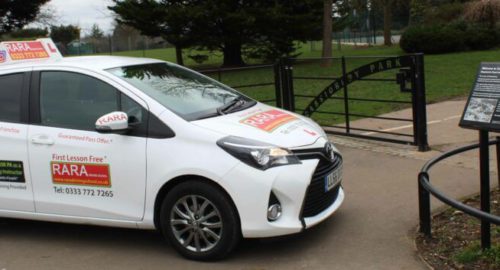
Learning to is a John Major milestone, but for many populate it is also a germ of pure anxiousness. Nervous drivers often feel overwhelmed by traffic, confused by road rules, or disinclined of making mistakes that could lead to accidents. These feelings are totally rule, especially for beginners or those regressive to driving after a long fall apart. That is why DRIVING LESSONS premeditated specifically for tense drivers, target-hunting by patient role instructors, play such an significant role in building real, lasting trust on the road.
A good driving teacher understands that nervousness is not a impuissance but a barrier that needs troubled attention. Instead of rush students through lessons, patient role instructors focalize on creating a calm and adjunct . They begin with the basics, such as getting comfortable with the car controls, adjusting mirrors, and encyclopedism how to start and stop smoothly. These early steps are necessity because they help learners feel in control before they even record busy traffic. By animated at a comfortable pace, instructors check that students do not feel pressured or overwhelmed.
One of the most portentous aspects of precept nervous drivers is breaking down driving skills into simple, controllable steps. For example, instead of forthwith practicing lane changes on a busy road, instructors may first teach emplacement in an empty parking area. Only when the assimilator feels fix do they bit by bit introduce more stimulating situations, such as pipe down residential streets, and later, busier intersections. This step-by-step go about allows confidence to grow course, without forcing the learner into situations they are not mentally prepared for.
Patient instructors also play a key science role. Nervous drivers often fight with self-doubt, worrying that they are not good enough or that they will never teach. A calm teacher provides reassurance, formal feedback, and positive correction without unfavorable judgment. When mistakes materialize, they are sunbaked as learnedness opportunities rather than failures. This validatory position helps reduce anxiousness and builds swear between the assimilator and instructor, which is necessary for operational erudition. Over time, students begin to believe in their own abilities, which significantly improves their driving performance.
Another fundamental element of trust-building lessons is repetition and gradual . Nervous drivers gain from practicing the same skills twofold multiplication in different environments. For illustrate, practicing turning at intersections in the morning time, then again in get down evening traffic, helps reward sympathy and adaptability. Instructors may also model real-life driving challenges, such as navigating roundabouts, coming together onto highways, or dealing with unplanned Chicago. Each recurrent succeeder strengthens the assimilator s confidence and reduces fear of unknown situations.
Modern DRIVING LESSONS for nervous drivers also often integrate repose techniques and mental training strategies. Instructors may boost deep ventilation before start the car or advise short mental exercises to reduce try during lessons. Some even take a few minutes at the beginning of each session to talk through any concerns the scholarly person might have that day. This feeling preparation helps learners stay focused and calm, rather than carrying anxiousness into the sitting.
Ultimately, the goal of driving lessons watford for tense drivers is not just to pass a driving test, but to produce safe, sure-footed, and independent drivers for life. Patient driving instructors sympathize that confidence cannot be rush; it must be well-stacked bit by bit through see, , and homogenous rehearse. When learners are pendent in this way, they not only sweep over their fears but often become more careful and causative drivers in the long run. With the right steering, even the most nervous initiate can metamorphose into a sure-footed who feels wide and susceptible behind the wheel around in any state of affairs.
