

Eid is a celebration of faith, family, and festivity. It is also a time when clothing takes center stage. Every year, designers, brands, and local tailors focus heavily on crafting the perfect eid collection that reflects tradition, comfort, and elegance.
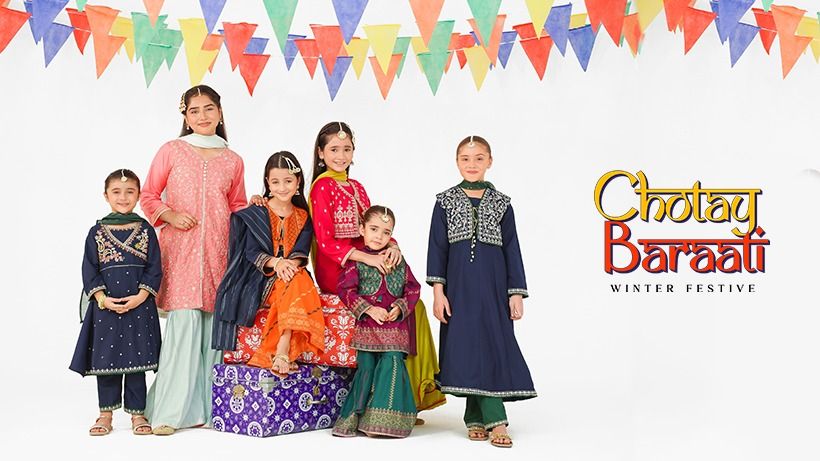
From light morning prayers to long evening gatherings, the fabrics chosen for ethnic wear play a crucial role in how people experience Eid.
In this comprehensive guide, we will explore the fabrics that dominate ethnic Eid fashion.
We will look at why certain materials are preferred, how climate influences fabric choices, and how traditional textiles continue to evolve in modern eid collection trends. This article is written in simple language for a 12th-grade audience, making it easy to read and understand.
Why Fabric Choice Matters in Eid Wear
Fabric is the foundation of every eid collection. It affects comfort, appearance, durability, and overall elegance. Eid outfits are often worn for long hours, starting with prayers and continuing through social visits and family meals.
People look for fabrics that feel soft on the skin. Breathability is important, especially in warmer regions. At the same time, Eid clothing must look festive and rich. That is why fabric selection becomes a careful balance between comfort and luxury in every eid collection.
Cotton: The Everyday Favorite for Eid
Why Cotton Is So Popular
Cotton is one of the most commonly used fabrics in ethnic Eid outfits. It is loved for its softness and breathability. In many regions, Eid falls during warm months, making cotton an ideal choice for any eid collection.
Cotton allows air to pass through easily. This helps keep the body cool during prayers and gatherings. It also absorbs sweat, which adds to comfort during long days.
Cotton in Traditional Eid Designs
Cotton is often used for simple kurtas, shalwar kameez, and tunics. Designers enhance cotton outfits with embroidery, lace, or printed patterns to make them suitable for Eid. In modern eid collection lines, cotton is sometimes blended with other fibers for a more polished look.
Lawn Fabric: A Summer Eid Essential
What Makes Lawn Unique
Lawn is a type of cotton fabric that is lighter and finer. It is especially popular in South Asian eid collection designs. Lawn is soft, airy, and perfect for hot climates.
This fabric drapes well and feels gentle on the skin. It is often chosen for daytime Eid outfits, especially for women.
Lawn Prints and Embellishments
Lawn fabrics are known for their beautiful prints. Floral, geometric, and traditional motifs are common in every eid collection. Designers add delicate embroidery or digital prints to elevate the fabric’s look without making it heavy.
Silk: The Symbol of Luxury
Why Silk Dominates Festive Wear
Silk has always been associated with luxury and celebration. In many ethnic cultures, silk is considered a premium fabric for special occasions. That is why it holds a strong place in every high-end eid collection.
Silk has a natural shine that adds elegance. It feels smooth and rich, making it perfect for evening Eid gatherings.
Types of Silk Used in Eid Clothing
There are many varieties of silk used in eid collection designs. Raw silk offers a slightly textured look. Pure silk provides a glossy finish. Blended silk combines beauty with easier maintenance.
Silk is commonly used in sarees, lehengas, and formal kurtas. Heavy embroidery or zari work often decorates silk Eid outfits.
Chiffon: Light and Graceful
The Appeal of Chiffon
Chiffon is a lightweight and sheer fabric that flows beautifully. It is widely used in women’s ethnic Eid outfits. Chiffon adds grace and softness to any eid collection.
This fabric is ideal for layering. It allows designers to create elegant silhouettes without adding weight.
Chiffon in Modern Eid Fashion
In modern eid collection trends, chiffon is often paired with heavier fabrics. For example, chiffon dupattas are matched with silk or cotton suits. This combination balances comfort and luxury perfectly.
Georgette: Stylish and Versatile
What Sets Georgette Apart
Georgette is similar to chiffon but slightly heavier. It has a crinkled texture that gives it a stylish appearance. Many designers include georgette pieces in their eid collection for a modern touch.
Georgette drapes well and is easy to carry. It works beautifully for both simple and heavily embellished outfits.
Georgette in Ethnic Designs
Georgette is commonly used in dresses, abayas, and long shirts. In an eid collection, georgette outfits often feature embroidery, sequins, or beadwork for a festive look.
Organza: Delicate Yet Dramatic
Why Organza Is Trending
Organza is a sheer fabric with a crisp texture. It has become very popular in recent eid collection releases. Organza adds volume and drama without feeling too heavy.
It is often used for dupattas, sleeves, and overlays. This fabric gives a royal touch to Eid outfits.
Styling Organza for Eid
Designers use organza creatively in eid collection designs. Embroidered organza dupattas are paired with simple suits. Organza layers add depth and elegance to otherwise plain outfits.
Linen: Comfort with Class
The Rise of Linen in Eid Wear
Linen is known for its breathability and natural texture. It has gained popularity in men’s and women’s eid collection designs. Linen is perfect for those who prefer understated elegance.
This fabric keeps the body cool and feels light. It is ideal for daytime Eid prayers and casual family gatherings.
Linen Styles for Eid
Linen kurtas and suits are often kept minimal. Designers focus on clean cuts and subtle detailing. In many eid collection lines, linen outfits are offered in pastel and earthy tones.
Velvet: Richness for Evening Celebrations
Why Velvet Is Chosen for Eid Nights
Velvet is a heavy fabric known for its deep texture and luxurious feel. It is commonly used in winter Eid celebrations or evening outfits. A festive eid collection often includes velvet pieces for formal occasions.
Velvet adds warmth and richness. It is perfect for night events and grand family dinners.
Velvet Embellishments
Velvet outfits in an eid collection are usually heavily embroidered. Gold thread, sequins, and stones enhance the fabric’s richness. Velvet is often used for shawls, jackets, and formal dresses.
Jacquard: Woven Beauty
Understanding Jacquard Fabric
Jacquard is a fabric with intricate woven patterns. These designs are created directly on the loom. Jacquard fabrics are popular in traditional eid collection designs.
The patterns add depth and detail without the need for heavy embroidery.
Jacquard in Ethnic Eid Wear
Jacquard is often used for kurtas, waistcoats, and dresses. In an eid collection, jacquard outfits are favored for their royal and traditional appearance.
Net Fabric: Glamour and Shine
Why Net Is Used in Eid Fashion
Net fabric is lightweight and transparent. It is mostly used for decorative purposes in an eid collection. Net adds glamour and sparkle to outfits.
It is commonly layered over other fabrics to create a festive look.
Net Embellishments
Net is often heavily decorated with sequins, beads, and embroidery. Designers use net sleeves, dupattas, or overlays to enhance eid collection outfits without making them too heavy.
Blended Fabrics: Best of Both Worlds
What Are Blended Fabrics?
Blended fabrics combine two or more fibers. Common blends include cotton-silk, silk-polyester, and lawn blends. These fabrics are widely used in modern eid collection designs.
Blends offer better durability and easier maintenance. They also help reduce costs while maintaining a festive look.
Why Designers Prefer Blends
Blended fabrics allow designers to experiment. They can create outfits that look luxurious but feel comfortable. Many ready-to-wear eid collection lines rely heavily on blended fabrics.
Regional Influence on Eid Fabrics
South Asian Eid Collections
In South Asia, lawn, cotton, silk, and chiffon dominate the eid collection market. Climate plays a major role in fabric choice.
Middle Eastern Eid Collections
In Middle Eastern regions, fabrics like linen, silk, and lightweight wool are popular. Modest cuts and flowing fabrics define the eid collection styles.
Global Trends
As fashion becomes global, eid collection designs now mix traditional fabrics with modern styles. Designers take inspiration from different cultures while respecting tradition.
How to Choose the Right Fabric for Eid
Choosing the right fabric depends on several factors. Climate is the first consideration. Comfort should never be ignored. Occasion matters too. A daytime prayer outfit will differ from an evening celebration look.
When shopping for an eid collection, always feel the fabric. Check how it drapes. Think about how long you will wear it. The right fabric can make Eid more enjoyable and stress-free.
Caring for Eid Fabrics
Proper care helps Eid outfits last longer. Cotton and lawn can usually be machine washed. Silk, velvet, and organza often require dry cleaning.
Always read care labels when buying from an eid collection. Store outfits properly to maintain their shape and beauty.
The Future of Fabrics in Eid Collections
Sustainable fabrics are slowly gaining attention. Organic cotton and eco-friendly blends are entering the eid collection space. Designers are also experimenting with lighter materials to suit changing lifestyles.
Technology is improving fabric quality. Wrinkle-resistant and breathable textiles are becoming more common in Eid fashion.
Conclusion
Fabrics are the soul of ethnic Eid fashion. From breathable cotton and lawn to luxurious silk and velvet, every material serves a purpose in an eid collection. Each fabric reflects culture, climate, and celebration.
As fashion evolves, the importance of comfort and elegance remains constant. Designers continue to blend tradition with innovation, ensuring that every eid collection meets the needs of modern wearers.
Understanding fabrics helps people make better choices. It allows them to enjoy Eid with confidence, comfort, and style. Whether simple or grand, the right fabric turns an outfit into a celebration.
