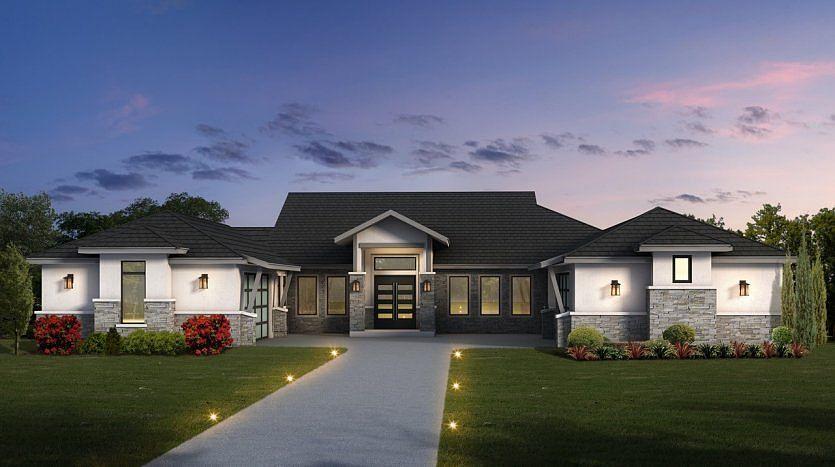
Awnings are versatile structures that provide shade and protection from the elements, enhancing outdoor spaces for both residential and commercial properties. They can be a game-changer, transforming patios, decks, and doorways into comfortable living areas. According to a study by the American Society of Interior Designers, outdoor living spaces have become increasingly popular, making awnings an essential consideration for homeowners looking to improve their outdoor experience.
Awnings can be defined as coverings attached to the exterior of a building, typically made from fabric or metal, designed to shield areas from sunlight, rain, and snow. They come in various styles, sizes, and materials, offering a blend of functionality and aesthetic appeal. From a developer’s perspective, incorporating awnings into a design not only enhances visual interest but also increases the usability of the space beneath them.
Types of Awnings
When considering awnings, it’s important to know the different types available:
1. Retractable Awnings
Retractable awnings are designed to be opened or closed as needed. They are ideal for homeowners who want flexibility in their outdoor spaces. When the sun is shining, these awnings can be extended to provide shade, and when the weather is cooler, they can be retracted to let in more light.
2. Fixed Awnings
These awnings are permanently attached to the structure and are typically more robust than retractable options. Fixed awnings are ideal for providing consistent protection and are often used over windows or doors. They can be customized to match the architectural style of a home.
3. Canopy Awnings
Canopies are often used for larger outdoor spaces and can provide extensive coverage. They are commonly seen in restaurants and cafes, creating comfortable outdoor dining areas. Canopy awnings can also be used in residential settings, adding a stylish touch to backyards or patios.
4. Window Awnings
These smaller awnings are specifically designed to cover windows, minimizing heat gain and glare while providing additional privacy. Window awnings can enhance the energy efficiency of a home by reducing the need for air conditioning.
5. Patio Awnings
Patio awnings extend over outdoor living spaces, providing shade for dining areas, lounges, or grills. They can be designed to blend seamlessly with outdoor decor, enhancing the overall aesthetic of the space.
Benefits of Awnings
The advantages of installing awnings go beyond mere aesthetics. Here are some compelling reasons to consider adding them to your property:
1. Protection from the Elements
Awnings provide effective shielding against harmful UV rays, rain, and snow. This protection helps preserve outdoor furniture, flooring, and landscaping, ultimately extending their lifespan.
2. Energy Efficiency
By blocking direct sunlight, awnings can significantly reduce indoor temperatures. This can lead to lower energy bills, especially during the summer months when air conditioning is in high demand. In fact, studies show that homes with awnings can see a reduction in energy costs of up to 25%.
3. Extended Outdoor Living Space
Awnings create functional outdoor areas that can be used for relaxation, dining, or entertaining, regardless of the weather. This added living space can greatly enhance the enjoyment of a home, making it a more pleasant place to spend time.
4. Increased Property Value
Homes with well-designed awnings often see an increase in property value. They contribute to the overall curb appeal, making a property more attractive to potential buyers.
5. Customization Options
With a wide range of colors, patterns, and materials, awnings can be customized to fit any home’s style. Whether you prefer a modern look or something more traditional, there are options to suit your aesthetic preferences.
Choosing the Right Awning
Selecting the best awning for your needs involves several considerations: Moreover, as many users appreciate the benefits of an awning, it’s clear that these structures not only enhance outdoor living but also contribute to energy efficiency and property value.
1. Purpose
Determine what you want to achieve with your awning. Are you looking for shade, protection, or aesthetic enhancement? Understanding your primary purpose will guide your choice.
2. Location
Consider the installation location. Ensure the awning complements the architectural style of your home and fits the intended area. For instance, patio awnings should be proportional to the patio size to create a balanced look.
3. Materials
Choose materials that will withstand local weather conditions. Fabric options may include acrylic or polyester, while metal awnings may be made from aluminum or steel. Each material has its own benefits, so select one that aligns with your climate and maintenance preferences.
4. Installation
Professional installation is recommended for permanent awnings to ensure safety and durability. DIY options are available for some retractable awnings, but following manufacturer guidelines is crucial for proper setup.
Maintenance of Awnings
Proper maintenance is essential for ensuring the longevity and appearance of your awnings. Here are some tips:
- Regular Cleaning: Remove dirt and debris with a soft brush or cloth. For fabric awnings, use a mild soap solution and rinse thoroughly.
- Protect from Extreme Weather: During severe weather events, retractable awnings should be closed. Fixed awnings may need to be reinforced or removed in extreme conditions.
- Inspect Regularly: Check for signs of wear or damage, especially after heavy storms. Address any issues promptly to prevent further damage.
Conclusion
Awnings are an essential addition to any outdoor space, providing comfort, protection, and style. They serve a practical purpose while enhancing the overall aesthetic of a property. With various types and customization options available, homeowners can find the perfect awning to suit their needs. As you consider adding an awning to your property, think about the style, material, and installation options that will best suit your lifestyle and enhance your outdoor experience.